
Understanding Stress and Anxiety
Defining Stress and Anxiety
Stress and anxiety are often interrelated but distinct concepts that can significantly impact mental health and overall well-being. Stress typically refers to a response to an external pressure or demand, such as a deadline at work or a major life change. It can manifest as physical or emotional tension, leading to feelings of frustration, anger, or nervousness. On the other hand, anxiety is a more sustained and pervasive feeling of unease or worry that does not necessarily correlate with a specific trigger. While everyone experiences stress and anxiety to some degree, chronic instances can lead to serious health issues.
It’s essential to understand that while stress and anxiety are common, they are manageable. By developing strategies to cope with stress and anxiety, individuals can lead healthier, more balanced lives.
The Psychological Impact of Stress and Anxiety
Stress and anxiety can create lasting psychological effects. High levels of stress can lead to feelings of diminished capability, decreased motivation, and a pervasive sense of helplessness. These feelings may escalate into anxiety disorders, which can severely impact daily functioning and quality of life. Additionally, chronic stress can contribute to cognitive decline, impair memory, and lead to conditions such as depression.
Understanding these psychological effects is crucial for individuals experiencing high stress or anxiety levels. Recognizing the symptoms early allows for intervention strategies to be implemented, creating a healthier mental landscape.
Common Triggers and Symptoms
Identifying what triggers stress and anxiety is a vital step in managing these conditions. Common triggers can include:
- Work-related pressures
- Family conflicts
- Financial worries
- Health concerns
- Life transitions, such as moving or changing jobs
Symptoms can vary greatly among individuals but often include:
- Restlessness or feeling on edge
- Difficulty concentrating
- Excessive worry
- Fatigue or insomnia
- Physical manifestations like headaches or stomach issues
Physical Techniques to Alleviate Stress and Anxiety
Breathing Exercises for Instant Relief
Breathing exercises are powerful tools that can instantly mitigate feelings of stress and anxiety. Techniques such as deep breathing, diaphragmatic breathing, or the 4-7-8 method enhance oxygen flow and stimulate the parasympathetic nervous system, promoting relaxation. Practicing these exercises for just a few minutes can help lower heart rate and reduce tension, allowing individuals to regain focus and calm.
The Role of Physical Activity
Regular physical activity is one of the most effective ways to alleviate stress and anxiety. Engaging in activities like jogging, swimming, or even brisk walking can release endorphins—chemicals in the brain that act as natural painkillers and mood elevators. Exercise increases overall fitness, improves sleep quality, and can significantly boost self-esteem, which collectively helps in combating feelings of stress and anxiety.
Benefits of Yoga and Meditation
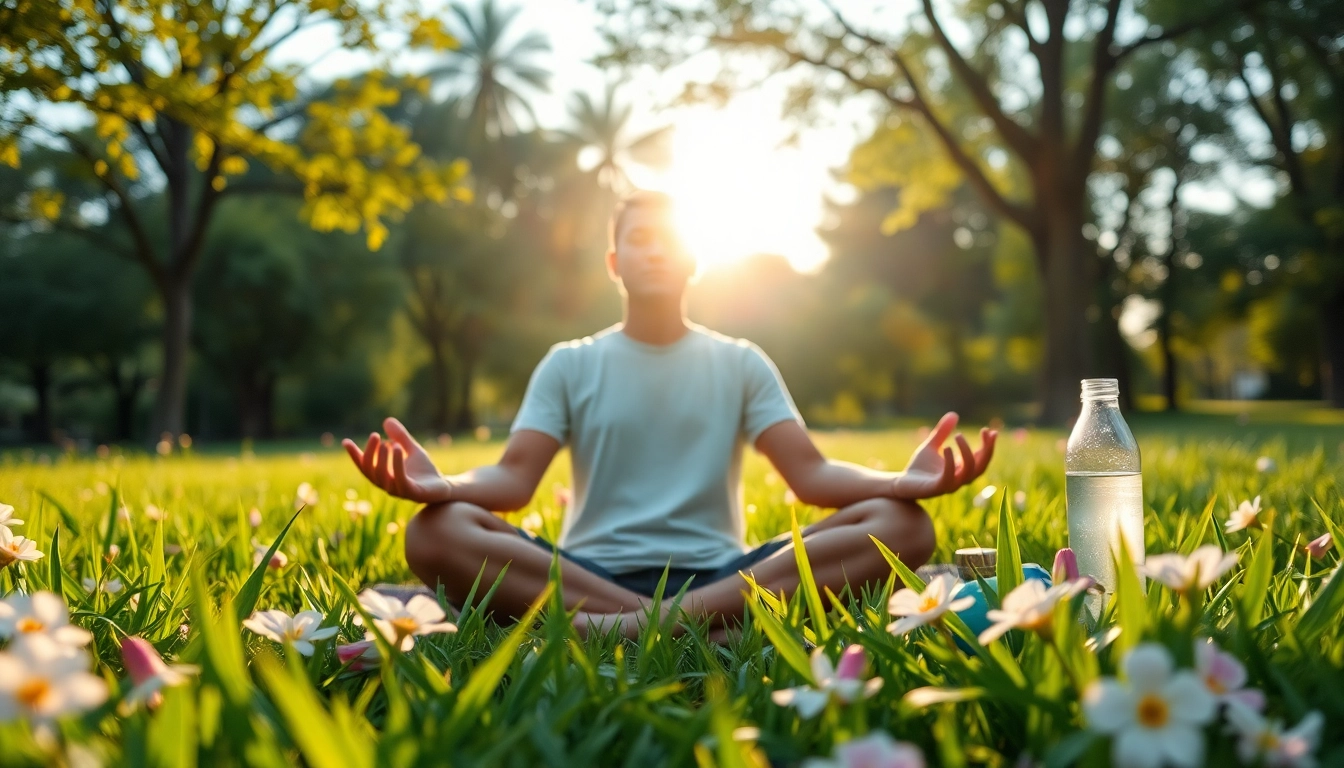
Yoga and meditation are integrative practices that promote mindfulness and relaxation. Yoga combines physical movement with breath control and meditation, helping reduce muscle tension and improve mental focus. Meditation fosters an increased awareness of the present moment, allowing individuals to detach from anxiety-inducing thoughts. Both practices have been shown to lower levels of the stress hormone cortisol, contributing to overall emotional resilience.
Emotional Strategies for Managing Stress and Anxiety
Identifying Emotional Triggers
Recognizing emotional triggers is a pivotal step in managing stress and anxiety. Keeping a journal can aid individuals in tracing their stress responses to specific events or interactions. This awareness allows for proactive measures to be taken, such as developing coping strategies or seeking support when confronted with triggering situations. It fosters resilience by promoting self-awareness and emotional intelligence.
Practicing Mindfulness and Gratitude
Mindfulness entails being fully present in the moment and observing one’s thoughts and feelings without judgment. Practicing mindfulness techniques, such as body scans and mindful walking, encourages a shift in focus from stress-inducing thoughts to grounded awareness. Gratitude practice, on the other hand, involves recognizing and appreciating the positive aspects of daily life, which can shift perspective and enhance emotional well-being.
The Importance of Social Support
Social support plays a crucial role in managing stress and anxiety. Building a supportive network of family and friends provides individuals with a sense of belonging and validation. Open communication about stressors can ease the burden and foster connections among those experiencing similar challenges. Broadening one’s social interactions can also introduce new coping perspectives, enriching one’s emotional toolkit.
Coping Mechanisms to Reduce Stress and Anxiety
Developing Healthy Routines
Establishing healthy routines can provide a sense of structure and predictability, which contributes to reducing stress and anxiety. Regular sleep patterns, balanced nutrition, and consistent exercise create a foundation for well-being. Designing daily routines that incorporate moments of self-care—like leisurely mornings or evening unwinding sessions—enhances quality of life and equips individuals to face daily challenges more effectively.
The Power of Journaling
Journaling is a beneficial practice that allows for self-reflection and emotional processing. By writing down thoughts and feelings, individuals can articulate concerns that may otherwise circulate unexamined in their minds. This practice not only aids in clarifying thoughts but also serves as a valuable outlet for expressing feelings that contribute to stress and anxiety.
Creating a Stress-Free Environment
Creating a calming environment at home or at work can substantially decrease stress levels. Simple adjustments like decluttering, introducing soothing colors, or incorporating nature can transform a space into a more peaceful refuge. The presence of calming scents, such as lavender or eucalyptus, and sounds like soft music or nature sounds can also enhance relaxation and emotional balance.
Seeking Professional Help for Stress and Anxiety
When to Consult a Mental Health Professional
Recognizing when to seek professional help is essential for managing intense, chronic, or overwhelming stress and anxiety. If feelings begin to interfere with daily activities, relationships, or overall life satisfaction, reaching out to a mental health professional can provide the necessary support and intervention. Early consultation is beneficial, encouraging a proactive approach to mental health.
Types of Therapy Available
A variety of therapeutic approaches can effectively address stress and anxiety, including Cognitive Behavioral Therapy (CBT), which focuses on changing unhelpful thoughts and behaviors, and mindfulness-based therapies that enhance stress management skills. Other options include Exposure Therapy, which gradually desensitizes individuals to anxiety triggers, and Dialectical Behavior Therapy (DBT), especially useful for emotional regulation and interpersonal effectiveness.
Medication Options and Considerations
In some cases, medication may be recommended alongside therapy to treat severe anxiety and stress. Common classes of medication include Selective Serotonin Reuptake Inhibitors (SSRIs), anxiolytics, and beta-blockers. It’s essential to discuss the potential benefits and side effects with a mental health professional to determine the most suitable option based on individual needs.
Frequently Asked Questions
What are the physical symptoms of stress and anxiety?
Common physical symptoms include headaches, fatigue, muscle tension, sleep disturbances, and gastrointestinal issues. Each person’s symptoms may vary based on individual circumstances.
How can I practice mindfulness daily?
Incorporating mindfulness can be done through meditation, deep breathing, or simply focusing fully on activities like eating or walking. Setting aside a few minutes each day is beneficial.
When should I seek professional help?
Consider seeking help if anxiety negatively impacts daily life, relationships, or emotional balance. Early intervention promotes better outcomes and coping strategies.
Is exercise effective for reducing stress?
Yes, regular exercise releases endorphins, reducing feelings of stress and anxiety. Activities like walking, dancing, or yoga can greatly enhance mental well-being.
Can stress and anxiety affect physical health?
Absolutely. Chronic stress and anxiety can lead to serious health issues, including high blood pressure, heart disease, and weakened immune response, highlighting the importance of management.